
What Makes a Website SEO-Friendly?
An SEO-friendly website is crawlable, fast, mobile-friendly, semantically structured, and well linked. Here are the traits that let a site rank.
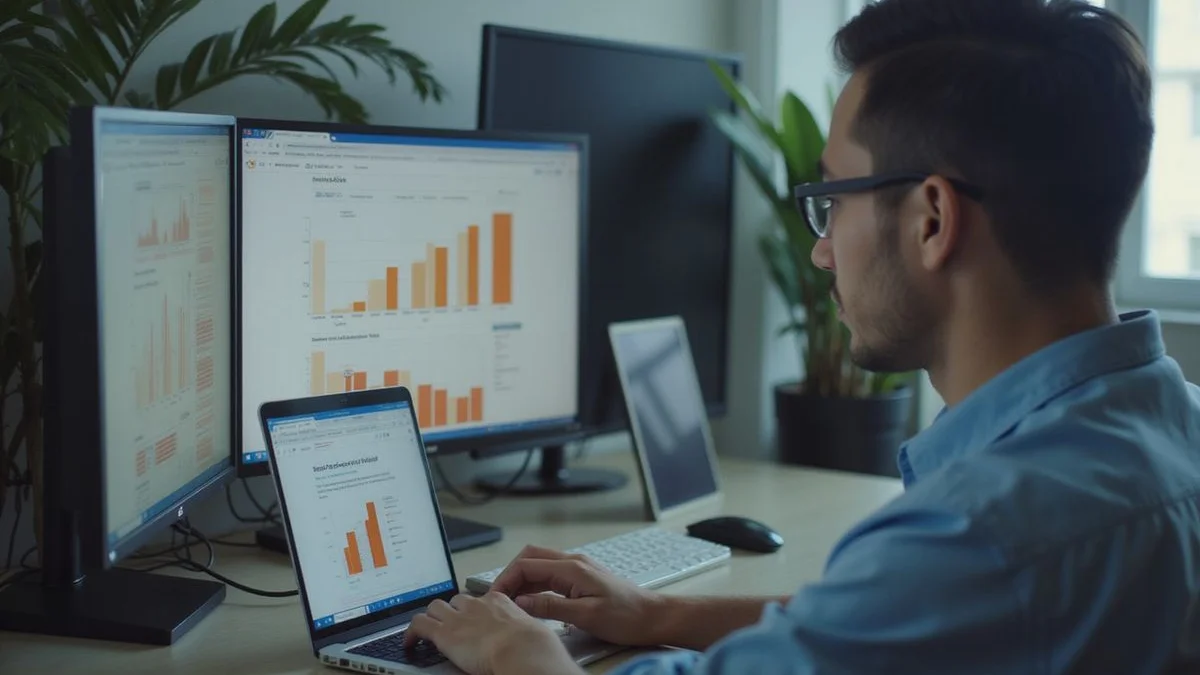
We see the same foundational mistake across countless Malaysian digital storefronts.
A beautiful design often masks a technical disaster underneath. An SEO friendly website is crawlable, fast, mobile-friendly, semantically structured, and well linked.
Our founder, SEO veteran Adam Yong, built Adam SEO in 2011 on a simple premise. Rankings alone are completely meaningless without a tangible business impact. Here are the specific traits that let a site rank and generate revenue.
We will break down the core ranking factors for 2026. Let us look at the data and explore practical ways to respond. This guide gives you the exact blueprint to fix your platform.
Crawlable Structure and Semantic HTML for an SEO Friendly Website
Our first priority is ensuring search engines can fully crawl and understand your pages.
Clean URLs, logical structure, and semantic HTML make that indexing process incredibly easy. A 2026 technical SEO report from BThrust highlights that indexing management remains a top priority for local businesses.
We frequently find that missing XML sitemaps block Google from finding critical e-commerce products. Search bots rely on these clear pathways to index complex sites. A broken link or a blocked directory immediately stops that progress.
Our team uses specific methods to fix these hidden structural errors. These adjustments directly improve your visibility. Here are three structural elements you should audit today:
- Robots.txt configuration: Check if you are accidentally blocking search crawlers from accessing key categories.
- Schema markup: Use JSON-LD to explicitly define your business entity to AI search models.
- Clean URLs: Create short, descriptive web addresses instead of random strings of numbers.

Speed and Mobile-Friendliness
We know that fast load times and a responsive, mobile-first design are baseline requirements for ranking.
These two factors are vital for keeping visitors engaged and preventing lost sales. Mobile internet usage in Malaysia reached a massive 96% of total web traffic by 2025.
Our analysis of GSMA Intelligence data shows mobile connections now equate to 121% of the Malaysian population. Google actively uses Core Web Vitals to measure this exact mobile user experience. The Interaction to Next Paint metric specifically tracks how fast a page responds to a screen tap.
We prioritize speed because modern consumers will abandon a slow store instantly. Unoptimized images and heavy third-party scripts drag your loading times down. This simple comparison shows the financial impact of site speed:
| Performance Metric | Slow Website (3+ seconds) | Fast Website (Under 1.5s) |
|---|---|---|
| Bounce Rate | High | Low |
| Google INP Score | Poor | Excellent |
| Conversion Potential | Very Low | Highly Optimized |
Internal Linking
Our next step is using thoughtful internal links to spread authority across your domain.
These pathways help both users and crawlers discover your most important pages. Recent 2026 Ahrefs data reveals that 66.2% of web pages have only one internal link pointing to them.
We consider this the most costly missed opportunity in digital marketing. Leaving pages isolated starves them of necessary ranking power. Large language models like ChatGPT also rely on these exact connections.
Our internal strategy ensures every critical service page stays within three clicks of the homepage. AI systems use these hub-and-spoke links to understand topical clusters. Avoid these common internal linking mistakes to protect your visibility:
- Orphan pages: Never publish a piece of content without linking to it from another relevant page.
- Vague anchor text: Avoid using generic phrases and instead use descriptive keywords.
- Overcrowding: Keep links contextual rather than stuffing dozens of them into a single paragraph.
Content Architecture
We always emphasize that organizing content into clear topics and hubs signals true expertise.
This logical structure makes the whole site much easier to rank. Google heavily rewards sites that demonstrate Experience, Expertise, Authoritativeness, and Trustworthiness.
Our data indicates that a structured pillar-and-cluster model satisfies these strict algorithms. A random collection of unrelated blog posts no longer works in 2026. Recent industry prompt testing shows a massive advantage for well-organized domains.
We observed that sites using topic clusters saw AI citation rates jump from 12% to 41%. This approach clearly establishes authority in any local industry. A clear plan prevents chaotic navigation menus.
Building a Logical Hierarchy
We map out distinct categories before writing a single word of copy.
A logical hierarchy visually separates broad topics from specific subtopics. A Malaysian retail store should group products under intuitive parent categories.
Our recommendation is to treat your main menu as the definitive map of your business. Every product page must logically connect back to a main category hub. This architecture guides potential customers smoothly through their buying journey.
We know exactly how to build an SEO friendly website that drives measurable growth, and if you already have a site, planning a website redesign without losing SEO protects the rankings you have earned. A highly optimized digital presence requires constant attention and precise execution.
Small improvements in structure and speed create a massive commercial advantage over competitors.
Our team is prepared to help you implement these essential changes.
Ready to put this into practice? Explore our Web Design service to build a better foundation.
We encourage you to request a free proposal to see exactly how your site can improve. Do not let poor technical foundations hold your business back. Start optimizing your platform today.
Frequently Asked Questions
What makes a website SEO-friendly?
Can design hurt SEO?
Ready to turn this into results?
Get a free discovery audit and a clear, ROI-focused plan for your business.
See SEO Web Design Malaysia